


What it is
- A speculative critique of infinite-scroll culture.
- An experiential translation of academic research.
- A short, uncomfortable intervention.
The cost of infinite scroll.
A speculative guerrilla campaign · Phone takeover
It’s late. You picked up your phone to check one thing. Twenty minutes later, you’re still scrolling. Forty. An hour. The feed never told you to stop, and it never will.
Digital Decay is a speculative campaign that imagines one that does. Each scroll degrades the content underneath your thumb. By the sixth post, three hours of scrolling have collapsed into pixel noise.
If the platform won’t stop you, the content will destroy itself.
In 2006 a designer named Aza Raskin wrote a small piece of code. He called it infinite scroll. It removed the moment when an app says: that’s it for now. He has spent the years since publicly regretting it.
What he built is now what every platform runs on. It works because every scroll is a small bet, a fresh image, a fresh dopamine hit, the same mechanic a slot machine uses. There is no friction. There is no pause. The body knows when to stop. The interface does not let it.
Wellness banners and screen-time pop-ups arrive after the loop has already won.
Every platform tells you that scrolling reveals more. The design move is to invert that promise. In Digital Decay, scrolling consumes. The more you scroll, the less there is to see. The feed itself starts collapsing under the weight of being read.
Six posts in sequence. Each scroll equals thirty real-world minutes of screen time. By the sixth post you have simulated three full hours of scrolling, and the screen is gone. The pacing works backwards from the threshold: three hours sets the ceiling, six posts at thirty minutes each map cleanly to it.
Thirty minutes of simulated screen time.
Three hours compressed into the journey.
Three hours is the threshold mental-health research keeps returning to. Past it, social-media time starts correlating with rising anxiety.
0 to 60 minutes · The hook
You open the feed. The faces are perfect. The water is impossibly blue. Every frame is engineered to keep your thumb moving. You feel good. You scroll.
These are the two posts at the cultural peak of what the feed manufactures: the algorithmic beauty standard, and the most-liked photograph in the platform’s history. The journey starts here because there is nowhere higher to climb.

The algorithmic face. A face built by filters, surgery and makeup to be realer than real. Baudrillard’s hyper-reality, on a phone screen.

The most-liked photograph in the platform’s history. The trophy he is holding is a fake replica handed to him by a fan. AI simulating a simulation.
60–120 minutes · The blur
After about an hour, you notice the image will not stay still. Edges drift. Colours split. Your eyes are tired but you do not realise yet that they are tired. You keep scrolling.
The middle of the feed is manufactured aspiration: travel content that flattens every coast into the same teal-and-orange fantasy, and luxury branded content with billions of views. Both refuse to load properly the further you go.

Travel content where teal and orange flattens every coast into one fantasy. Captions stop being about the experience and start giving orders: consume, buy ticket, go.
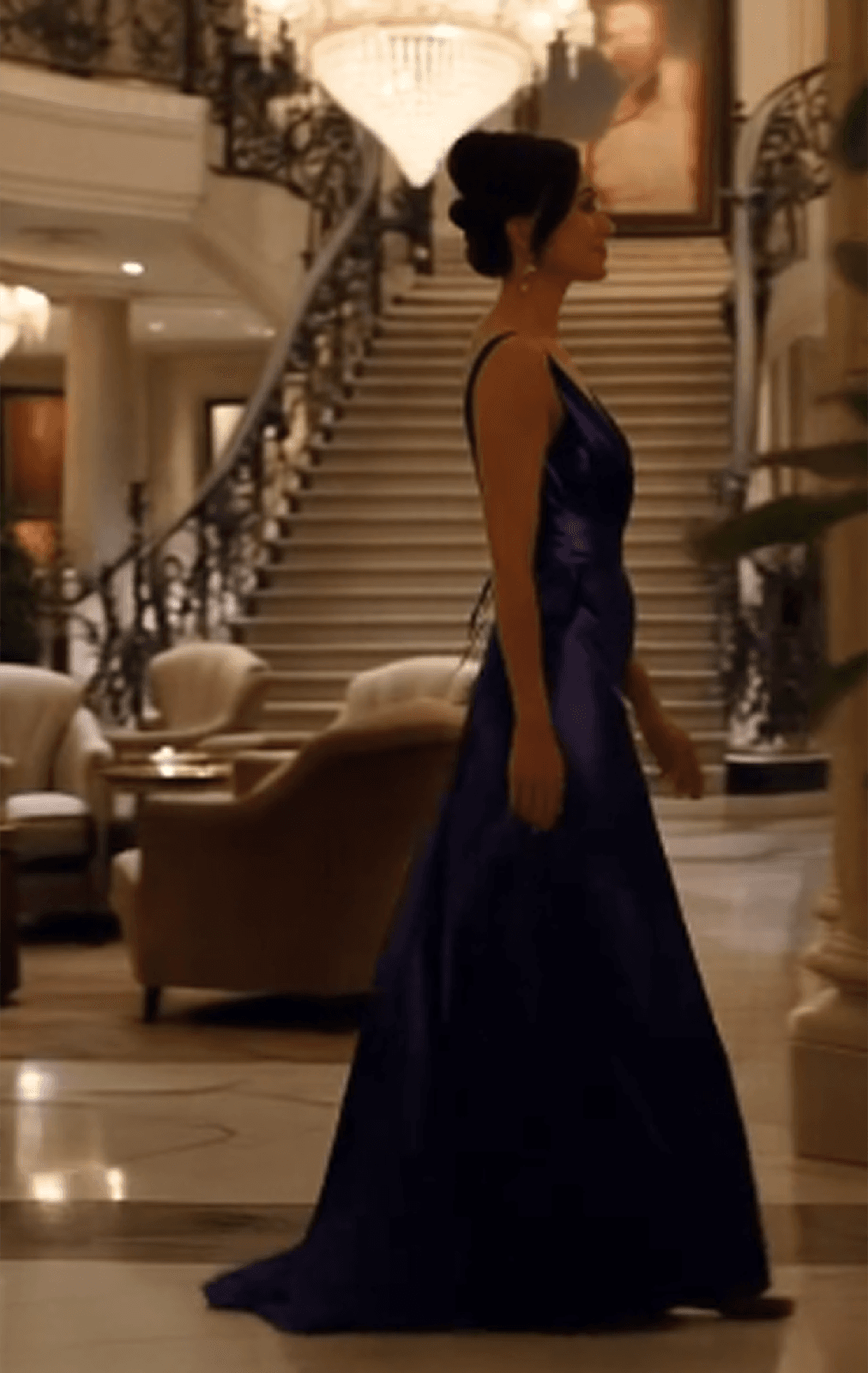
The most-viewed Reel in the platform’s history is a luxury hotel ad with 1.9 billion views. Proof that the platform is no longer social; it is media.
3 hours · The crash
By the third hour, the feed stops being content. Faces become pixels. Words become emoji become colour. This is the place the project calls Zero Meaning. You realise you have been absorbing nothing for the past three hours.
These are the moments when engagement openly replaced meaning: a stock photograph of an egg that sixty million people liked anyway, and a multi-million-dollar fraud sold through a single orange square.
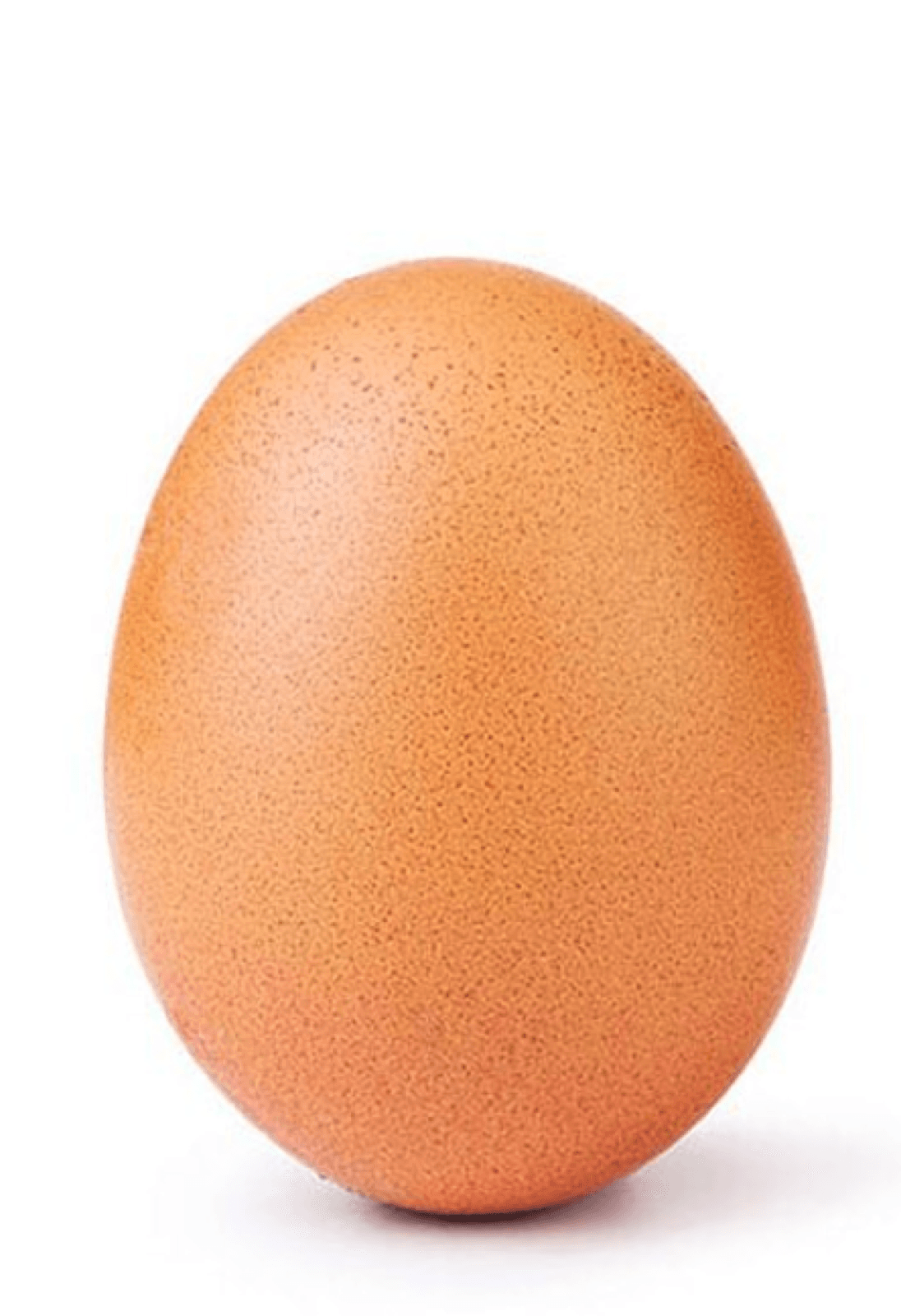
Sixty million likes for zero substance. The World Record Egg was created in 2019 specifically to break the like record. In this version, the yolk comes out as data.

Four hundred influencers posted the same orange square. A multi-million-dollar fraud sold through pure hype. Once meaning is gone, only the colour and the engagement-count remain.
None of these breakpoints came from feel. Each one maps to a published clinical or behavioural finding, and the prototype hits them in order as you scroll.
Tap in. Scroll. Feel the decay. Six posts in about ninety seconds, with a clock in the corner counting the simulated hours.
It does not solve the problem of infinite scroll. It makes the problem visible enough that you cannot unsee it. The campaign critiques the feed using the feed’s own visual language, and ends.
If platforms won’t design for human limits, content must create resistance.
A speculative, non-commercial work. Named individuals and brands appear as cultural reference points, not as endorsements.